


Investing in Sustainable Water Infrastructure for the Future
Water is a fundamental resource that sustains life, yet many regions around the world face significant challenges in ensuring access to clean and reliable water. As climate change intensifies and populations grow, the need for sustainable water infrastructure becomes increasingly urgent. Investing in such infrastructure not only addresses immediate water needs but also supports long-term environmental health and economic stability. This blog post explores the importance of sustainable water infrastructure, the challenges we face, and practical steps we can take to invest in a water-secure future.
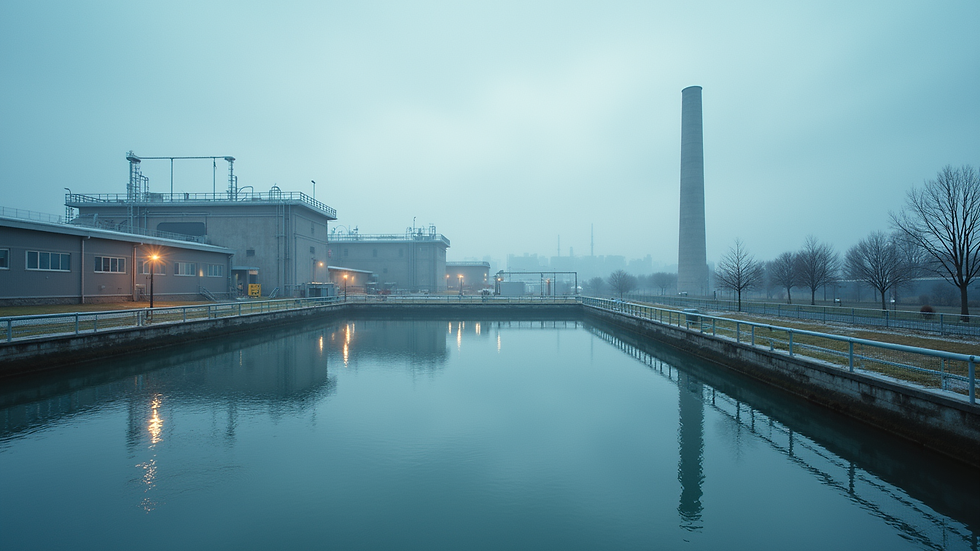
Understanding Sustainable Water Infrastructure
Sustainable water infrastructure refers to systems and technologies designed to manage water resources efficiently while minimizing environmental impact. This includes:
Water Supply Systems: Infrastructure that ensures the delivery of clean water to communities.
Wastewater Treatment Facilities: Systems that treat and recycle wastewater, reducing pollution and conserving water.
Stormwater Management: Solutions that manage runoff and prevent flooding, such as green roofs and permeable pavements.
Water Conservation Technologies: Innovations that promote efficient water use, like smart irrigation systems and low-flow fixtures.
The Importance of Sustainable Water Infrastructure
Investing in sustainable water infrastructure is crucial for several reasons:
Climate Resilience: As weather patterns become more unpredictable, resilient water systems can adapt to changing conditions, reducing vulnerability to droughts and floods.
Public Health: Access to clean water is essential for preventing waterborne diseases and promoting overall health.
Economic Growth: Reliable water supply supports industries, agriculture, and tourism, driving economic development.
Environmental Protection: Sustainable practices help preserve ecosystems and biodiversity by reducing pollution and conserving natural resources.
Current Challenges in Water Infrastructure
Despite the clear benefits, many regions struggle with outdated and inefficient water systems. Some of the key challenges include:
Aging Infrastructure: Much of the existing water infrastructure is decades old and in need of repair or replacement.
Funding Shortages: Limited budgets and competing priorities often result in inadequate investment in water projects.
Population Growth: Increasing demand for water in urban areas puts additional strain on existing systems.
Climate Change: Extreme weather events and changing precipitation patterns complicate water management efforts.
Case Study: Flint, Michigan
The water crisis in Flint, Michigan, serves as a stark reminder of the consequences of neglecting water infrastructure. In 2014, the city switched its water source to the Flint River without proper treatment, leading to lead contamination. This crisis highlighted the need for investment in safe and sustainable water systems to protect public health.
Strategies for Investing in Sustainable Water Infrastructure
To address these challenges, governments, businesses, and communities must collaborate on innovative solutions. Here are some effective strategies:
1. Prioritize Funding for Water Projects
Governments should allocate more resources to water infrastructure projects. This can be achieved through:
Public-Private Partnerships: Collaborating with private companies can bring in additional funding and expertise.
Grants and Loans: Utilizing federal and state programs that provide financial assistance for water projects.
2. Embrace Innovative Technologies
Investing in new technologies can enhance the efficiency and sustainability of water systems. Some examples include:
Smart Water Meters: These devices help monitor water usage in real-time, allowing for better management and conservation.
Advanced Treatment Processes: Technologies like membrane filtration and UV disinfection can improve water quality and reduce energy consumption.
3. Implement Green Infrastructure
Green infrastructure solutions can effectively manage stormwater and reduce flooding. Examples include:
Rain Gardens: These landscaped areas absorb rainwater and filter pollutants.
Green Roofs: Vegetated roofs can reduce runoff and improve building insulation.
4. Promote Community Engagement
Engaging communities in water management decisions fosters a sense of ownership and responsibility. Strategies include:
Educational Programs: Teaching residents about water conservation and pollution prevention.
Participatory Planning: Involving community members in the planning process for water projects.
The Role of Policy and Regulation
Effective policies and regulations are essential for guiding investments in sustainable water infrastructure. Policymakers should focus on:
Setting Standards: Establishing clear standards for water quality and infrastructure resilience.
Encouraging Sustainable Practices: Providing incentives for businesses and homeowners to adopt water-saving technologies.
Example: California's Water Conservation Laws
California has implemented strict water conservation laws in response to prolonged droughts. These regulations encourage the use of efficient irrigation systems and promote the installation of drought-resistant landscaping.
The Future of Water Infrastructure
Looking ahead, the future of water infrastructure will likely involve a combination of traditional and innovative approaches. Key trends to watch include:
Decentralized Systems: Smaller, localized water systems can enhance resilience and reduce the burden on centralized infrastructure.
Water Recycling: Increasing the use of treated wastewater for non-potable purposes can alleviate pressure on freshwater sources.
Climate-Responsive Design: Infrastructure that adapts to changing climate conditions will be crucial for long-term sustainability.
Conclusion
Investing in sustainable water infrastructure is not just a necessity; it is an opportunity to create a healthier, more resilient future for communities around the world. By prioritizing funding, embracing innovative technologies, implementing green infrastructure, and engaging communities, we can build systems that not only meet current needs but also safeguard our water resources for generations to come. The time to act is now—let's work together to ensure a water-secure future.
Comments